• Welcome!

    Date: 2011.05.24 | Category: Parenting, The Brain | Response: 13


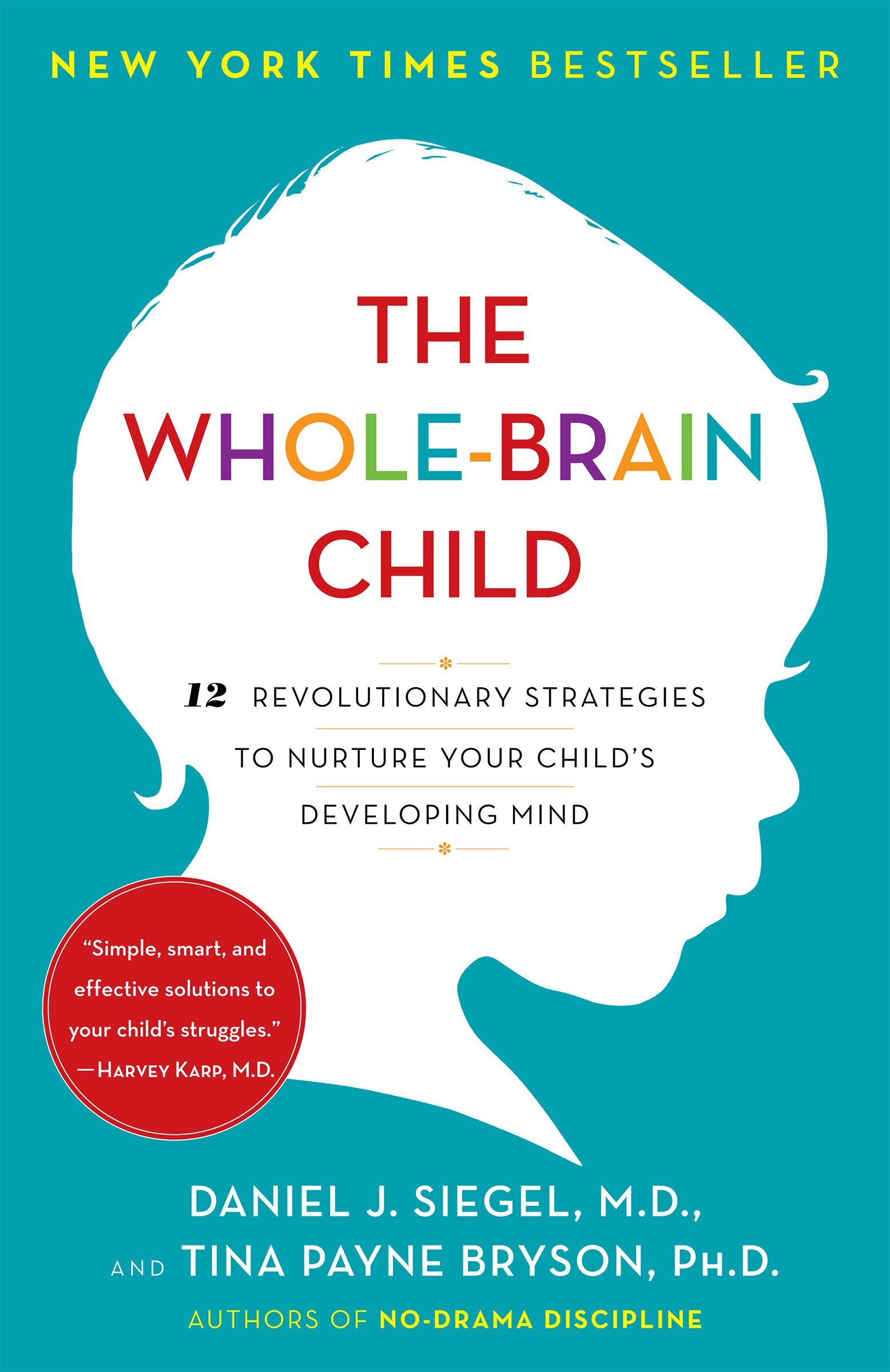
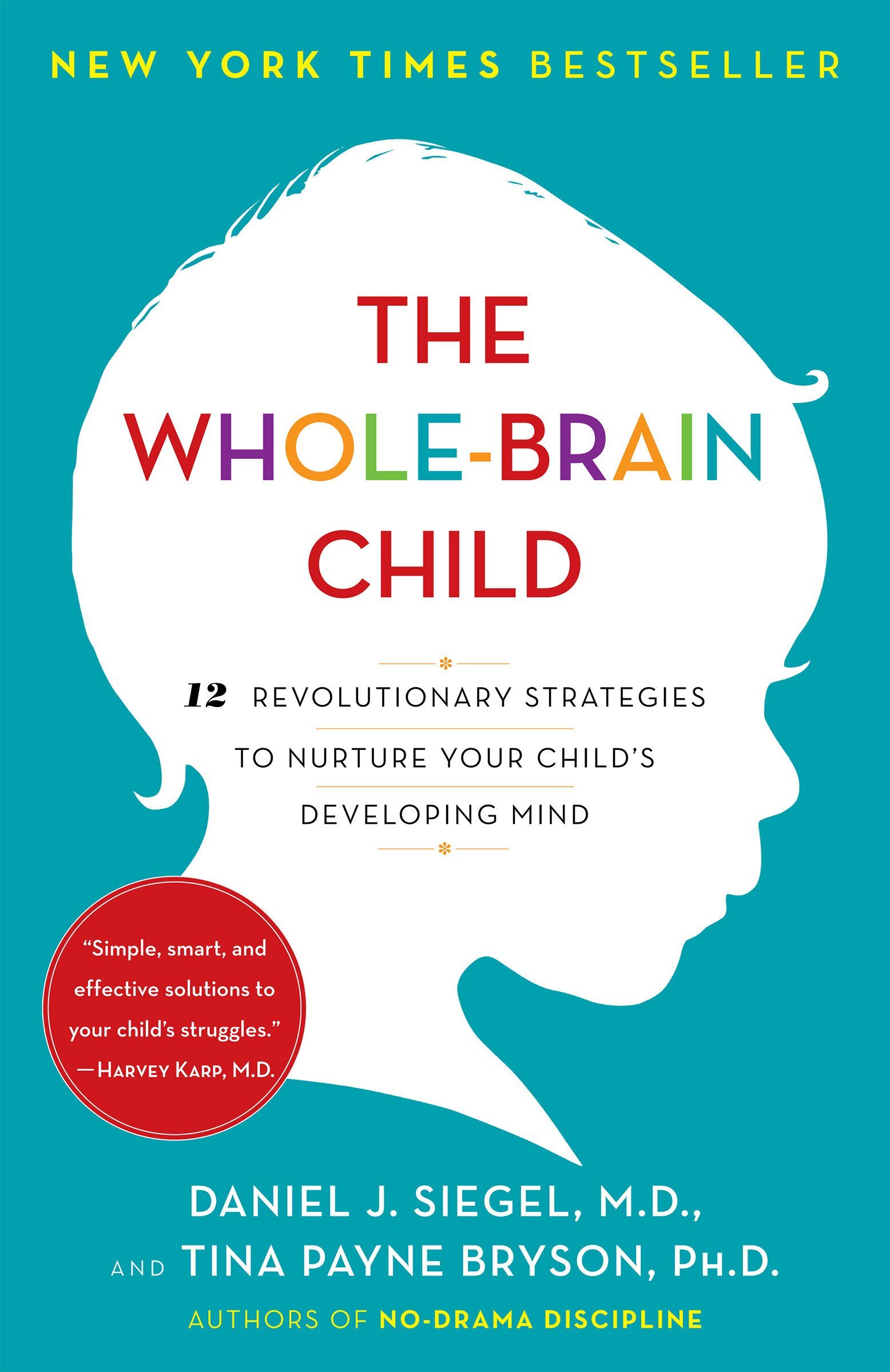
    THE WHOLE-BRAIN CHILD is a bestseller!  I’m excited to let you know that my new book, co-authored with Dan Siegel and published by Random House, has been listed for several weeks on the Los Angeles Times Bestseller List.

    Harvey Karp (The Happiest Baby on the Block) says that Dan and I “turn leading brain science into simple, smart–and effective–solutions to your child’s struggles,” and Mary Pipher (Reviving Ophelia) calls The Whole-Brain Child “my new baby gift.”  You can see other blurbs to the right.

    Order your own copy!  (Or order two and give one to a friend or family member.)

    Thanks for reading.

    Tina


    Share
  • Ten Bites of a Quesadilla: Transforming Moments through Creative Discipline

    Date: 2012.05.16 | Category: Parenting, The Brain | Response: 14

    Few experiences any of us undergo are as transformative as parenting.  By definition, parenting is about transformation.  One of our most important jobs as parents is to witness and influence the evolution of our children from wrinkly newborns with raw nervous systems into integrated, whole humans who know who they are and how to be in the world.  And parenting obviously transforms us as well.  There are smaller transformations—we learn to do most things “one-handed” while carrying a baby on our hip; we begin to eat at McDonalds; we memorize the names of dinosaurs; we learn to play video games again; we even buy a mini-van (which for some is a bigger transformation than for others).  And there are huge, life-changing transformations—we adjust our priorities; we make sacrifices that cost us greatly; we learn to live with worrying and “what ifs”; we forever expand our hearts.

    Along the way, we become more creative than we ever knew possible.  I’m not talking about the creativity of artists, song-writers, or novelists.  I’m talking about the creativity that’s required for survival for anyone caring for children.  I knew I’d been forever transformed by my role as a parent when, in my attempt to get through to my non-compliant little streakers, creativity sprung forth from desperation and I made up a song with a chorus that began, “No naked butts on the furniture.”  (Unfortunately, it was so catchy that one day I actually Read the rest of this entry »

    Share
  • Worried about Worrying? Discussing Childhood Anxiety on THE INTENTIONAL PARENT

    Date: 2012.05.15 | Category: Parenting, The Brain | Response: 8

    Here’s an episode from my no-longer-in-existence parenting show, “The Intentional Parent.”  This episode features the amazing Dr. Andre Van Rooyen.  Andre, Greg, and I discuss what anxiety is, how to identify it, what different kinds exist, what can cause it, techniques to deal with it, and when/how to manage it with medication.


    Share
  • Five Reasons I’m Not a Fan of Time Outs

    Date: 2012.05.13 | Category: Parenting, The Brain | Response: 17

    More and more, I find myself questioning time outs as an effective discipline strategy.  I’ve written some about this already, but now I’d like to go into my reasons in a bit more depth.

    I know lots of loving parents who use time outs as their primary discipline technique.  I’m not saying that time outs are completely unhelpful; more that I don’t think they’re the best alternative we have when it comes to discipline—the goal of which, remember, is to teach.


    Reasons I’m Not a Fan of Time-Outs:

    #1.  What we know about the brain. 

    Because I know that brain connections are formed from repeated experiences, I don’t want my kids’ repeated experience to be isolation, which they may view as rejection, when they’ve made a mistake.

    What I DO want them to repeatedly experience is doing things the right way.  So, instead of a time out, I’ll often Read the rest of this entry »

    Share
  • If I Could Tell You Only One Thing about Discipline

    Date: 2012.05.09 | Category: Parenting, The Brain | Response: 15

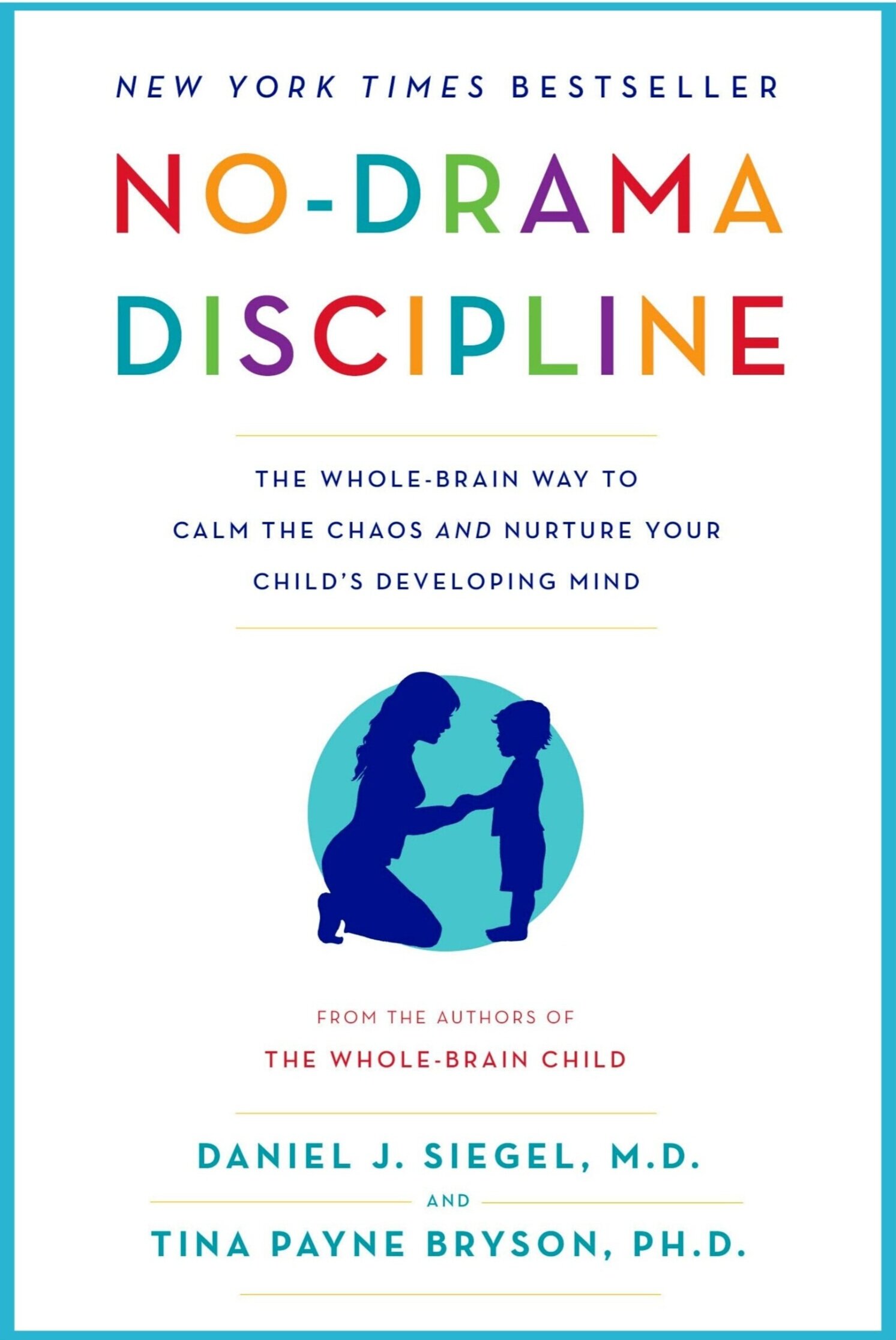
    Discipline is a complex and complicated subject.  I could write a whole book about it.  In fact, I’ve already started working on one.

    But when we talk about effective discipline and how parents can achieve the results they want when they interact with their kids, it can actually be it pretty simple.  If it were a math formula, it would look like this:


    WARMTH  +  AUTHORITY  =  EFFECTIVE DISCIPLINE


    The research is really clear on this point.  Kids who achieve the best outcomes in life – emotionally, educationally, and relationally – have parents who raise them with a high degree of warmth and nurturing, or what I like to call emotional responsiveness, as well as a high degree of authority, where clear boundaries are communicated and enforced.  Their parents remain firm and consistent in their boundaries, while still interacting with them in a way that communicates love, respect, and compassion.  Warmth and authority are the two sides of the effective-discipline coin.


    The first side of the discipline coin:  Warmth

    When we nurture our children and attune to their internal world, we allow them to know and believe that they are seen, heard, loved, and approved of by their parents.  Then they’ll interact with the world around them based on that belief, so that their brains are wired to expect that their needs will be met in intimate relationships.  On the other hand, if a parent repeatedly Read the rest of this entry »

    Share
  • Common Discipline Mistakes Even the Best Parents Make: Part 1

    Date: 2012.03.15 | Category: Parenting, The Brain | Response: 17


    [This is a revised version of the first article in a two-part series.  Click here to see the second four mistakes.]

    Because we’re always parenting our children, it takes real effort to look at our discipline strategies objectively.  Good intentions can become less-than-effective habits quickly, and that can leave us operating blindly, disciplining in ways we might not if we thought much about it.  Here are some parenting mistakes made by even the best-intentioned, most well-informed parents, along with practical suggestions that might come in handy the next time you find yourself in one of these situations.


    Common Discipline Mistake #1:  We lay down the law in an emotional moment, then realize we’ve overreacted.

    Have you reacted in a way that was a bit “supersized” for the behavior you were trying to address?  Maybe your child’s actions didn’t warrant such a dramatic pronoucement:  “You can’t go swimming for the rest of the summer!”  Or maybe the consequences even had to do with something you were counting on:  “Stop calling your brother names or you can’t go to Grandma’s house today.”  Of course, she again calls him “stinky-head” and calls your bluff.  Your options at this point are to either miss your lunch with your friends or show your child that you don’t mean what you say.

    In these moments, give yourself permission to rectify the situation.  Obviously, follow-through is important once you’ve set boundaries; otherwise, you’ll lose credibility in your child’s eyes and your child will not have the security of knowing where the limits are.  But there are ways to be consistent and still get out of the bind you’re in.  For example,  Read the rest of this entry »

    Share
  • Common Discipline Mistakes Made by Even the Best Parents: Part 2

    Date: 2012.03.15 | Category: Parenting | Response: 8


    [This is a revision of the second article in a two-part series.  Click here to see the first four mistakes.]


    Here are more discipline mistakes made by even the best-intending, most well-informed parents, along with practical suggestions that might come in handy the next time you find yourself in one of these situations.

    Common Discipline Mistake #5:  We get trapped in power struggles.

    Everyone says to avoid power struggles.  But no one seems to tell us what to do once we’ve gotten ourselves into an inevitable one.  And when our kids feel backed into a corner, they instinctually fight back or totally shut down.  So here are three ways to help you get out of those lose-lose power struggles you sometimes find yourself in.

    A.  Give your child an out or a choice that allows her to comply with your expectations, while still saving face:  “Would you like to get a drink first, and then we’ll pick up the toys?”  The phrase “It’s your choice” can be a powerful tool to wield, since it gives your child some amount of power, which can often diffuse stand-offs.  So maybe you ask, “Would you like to get ready for bed now and read four bedtime stories tonight, or play 10 minutes longer and read two stories?  It’s your choice.”  (If she chooses fewer stories, it’s a good idea to remind her several times before story-time about her choice.)

    B.  Negotiate:  “We’re not really getting anywhere here, are we?  Let’s see if we can figure out a way for both of us to get what we need.”  Obviously, there are some non-negotiable issues, but negotiation isn’t a sign of weakness; it’s a Read the rest of this entry »

    Share
  • Knowledge, Instinct, and Self-Understanding: Basic Parenting Tips

    Date: 2012.01.10 | Category: Parenting | Response: 0

    There’s plenty of advice available on parenting, but there’s no one Parenting Rulebook that answers all parenting questions.  In fact, it’s helpful to have a handful of different strategies and approaches, and to keep in mind that your approaches should evolve as you mature as a parent, and as you approach each new phase of childhood.  It’s almost always problematic when parents rigidly adhere to any one philosopy.

    My overall suggestion?  Combine knowledge, instinct, and self-understanding.


    Knowledge

    Knowledge is definitely power, and parents usually find it useful to have a few strategies to help them parent their children.  Simply by reading and talking to other parents, you can arm yourself with all kinds of tools and approaches to help you more easily teach your children and discover a philosophy of parenting you feel good about.

    Knowledge is also powerful when it comes to dealing with developmental phases and challenges, from the early newborn days all the way through adolescence.  When a new mother becomes frustrated because her six-week-old is nursing every hour all day long, a part of her may begin to resent the infant because of this loss of freedom.  However, if she were to read a bit about newborns and their growth patterns, she’d discover that during a growth spurt, a baby will often “cluster feed” for a week or two.  An understanding of this important phase in her son’s life can help the mother be much more patient and understanding, even if she continues to feel a bit frustrated about the amount of time she’s spending nursing.

    The same would apply to a toddler.  A father can address the tantrums of his two-year-old much more lovingly and effectively if he has an understanding of what this phase means for his daughter (that one of her most important jobs at this age is to discover and assert her own independent self).  Again, his frustration (and even anger) may still be there, but the father can handle those emotions much better if he can understand that his daughter is in the process of claiming her own personhood and testing to what extent she is actually separating from her parents.

    The basic idea is that knowledge can help you view parenting struggles as opportunities to know your children better and to help them through difficult times.  It doesn’t mean that you won’t get frustrated; but good information can make all the difference in your perspective.  The more we can understand our children and learn about their process of development, the better prepared we’ll be to guide them along their journey toward healthy adulthood.


    Instinct

    Be wary of any parenting approaches that offer an “all or nothing” mentality or that seem extreme.  Certain “parenting gurus” will present Read the rest of this entry »

    Share
  • Why We Should NOT Ignore a Tantrum — or — Where NPR’s Health Blog Missed the Boat

    Date: 2012.01.02 | Category: Parenting, The Brain | Response: 0

    Several people have asked me recently about Shankar Vendantam’s post on NPR’s Health Blog, where he writes about a subject I’ve discussed a good bit:  tantrums.  In Vendantam’s article, he discusses a recent study that appeared in the journal Emotion, where scientists examined different toddler sounds that typify a tantrum.

    I find the whole study – which analyzes the patterns of sound and action that usually accompany a tantrum – absolutely fascinating.  And I’m grateful to any scientists (in this case Michael Potegal and James A. Green) who offer us new information that can help us better understand our children so we can be more loving and nurturing as we interact with them.  I also want to mention Vendantam’s book The Hidden Brain.  I haven’t read it yet, but it’s on my “get to” list, since I understand that it raises some really interesting questions regarding how much our brain drives who we are, even without our awareness.

    Having said all that, a couple of objections kept nagging at me when I read Vendantam’s blog post about Green and Potegal’s science explaining “what’s behind a temper tantrum.”  Specifically, I kept wanting to hear less about how parents can “get a tantrum to end as soon as possible” (though I totally understand this desire and have felt this way during many of my own children’s tantrums), and more about how parents can be emotionally responsive and present when their kids are upset.

    In other words, I wanted a tantrum to be presented not only as an unpleasant experience that parents can learn to manage for their own benefit, but instead as another opportunity to make a child feel Read the rest of this entry »

    Share
  • A Different Take on Spoiling

    Date: 2011.11.21 | Category: Parenting, The Brain | Response: 15

    The other day a reporter asked me to respond to a few questions about spoiling, and what it means for our kids.  With the holidays coming up, this seems like a pretty timely subject.  Here’s how I answered the reporter’s questions about what spoiling is, and just as importantly, what it’s not.


    WHAT IS SPOILING?  DOES IT HAVE TO DO WITH MONEY SPENT?  TIME? NEVER SAYING NO? ALL OF THE ABOVE?

    Let’s start with what spoiling is not:  Spoiling is NOT about how much love and time and attention you give your kids.  You can’t spoil your children by giving them too much of yourself.  In the same way, you can’t spoil a baby by holding her too much or responding to her needs each time she expresses them.


    SO HOW DO WE SPOIL OUR KIDS?

    The dictionary definition is “to ruin or do harm to the character or attitude by overindulgence or excessive praise.”  Spoiling can of course happen when we give our kids too much stuff or spend too much money or say yes all the time.   But it’s more than that.  It’s also about giving them the sense that the world and people around them will serve their whims.

    Again, it’s impossible to spoil children with too much nurturing or love or attention or time.  Nurturing your relationship with your child or giving them a sense that they are entitled to your love and affection (or holding them when they’re little) is exactly what we should be doing.  In other words, we let them know that they can count on getting their NEEDS met.

    Spoiling, on the other hand, occurs when parents (or other caregivers) create their child’s world in such a way that the child feels Read the rest of this entry »

    Share

Follow Tina

Subscribe to Tina's list!

* = required field

Mary Pipher says…

“This erudite, tender and funny book is filled with fresh ideas based on the latest neuroscience research. I urge all parents who want kind, happy, and emotionally healthy kids to read The Whole-Brain Child. I wish I had read it when my kids were young, but no one knew then what Siegel and Bryson share with us in an immensely practical way. This is my new baby gift.”
–Mary Pipher, author of Reviving Ophelia and The Shelter of Each Other

Daniel Goleman says…

“Daniel Siegel and Tina Payne Bryson have created a masterful, reader-friendly guide to helping children grow their emotional intelligence. This brilliant method transforms everyday interactions into valuable brain-shaping moments. Anyone who cares for children – or who loves a child – should read The Whole-Brain Child.”
–Daniel Goleman, author of Emotional Intelligence

Christine Carter says…

“The Whole-Brain Child is chock-full of strategies for raising happy, resilient children. It offers powerful tools for helping children develop the emotional intelligence they will need to be successful in the world. Parents will learn ways to feel more connected to their children, and more satisfied in their role as a parent. Most of all, The Whole-Brain Child helps parents teach kids about how their brain actually works, giving even very young children the self-understanding that can lead them to make good choices, and, ultimately, to lead meaningful and joyful lives.”
–Christine Carter, Ph.D., author of Raising Happiness

Michael Thompson says…

“In their dynamic and readable new book, Dan Siegel and Tina Payne Bryson sweep aside the old models of ‘good’ and ‘bad’ parenting to offer a scientific focus: the impact of parenting on brain development. Parents will certainly recognize themselves in the lively ‘aha’ anecdotes that fill these pages. More importantly, they will see how everyday empathy and insight can help a child to integrate his or her experience and develop a more resilient brain.”
–Michael Thompson, Ph.D., author of Raising Cain and It’s a Boy

Recent Blog Posts

Categories